
Protect your product against insects without the need for conventional fumigants.
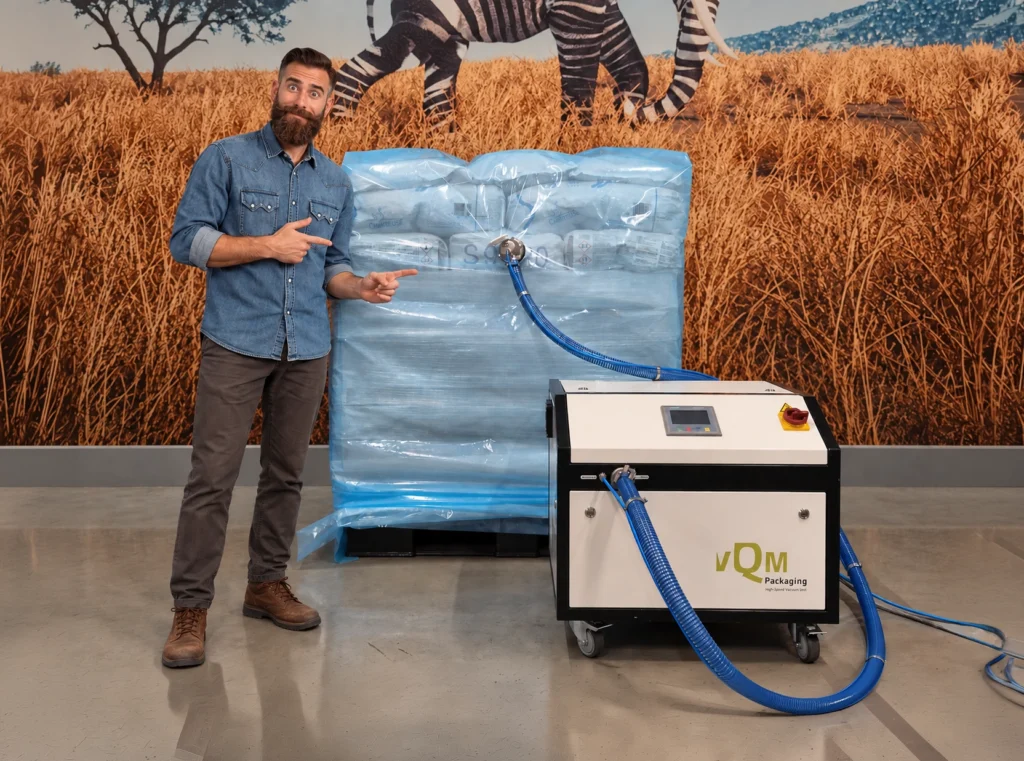
Modified Atmosphere Packaging can be used to treat insects across all life stages in big bags and pallet loads, using low-oxygen, CO₂-rich or N₂-rich atmospheres without conventional toxic fumigants. The International Plant Protection Convention (IPPC), has regulated modified atmosphere treatments globally via ISPM 44 – “Requirements for the use of modified atmosphere treatments as phytosanitary measures”. This standard provides operational guidance for National Plant Protection Organizations (NPPOs) to manage pest risks using altered levels of carbon dioxide, oxygen, or nitrogen. In case you wish to use the vQm system specifically for insect treatment (services), please verify with your national NPPO how treatment parameters are managed and how providers are legally authorized.
Please note that the IPPC standard does not include the use of modified atmosphere for non-phytosanitary purposes, such as minimizing the perishability of foodstuffs or other quality-related uses of the modified atmosphere.

Insects may enter commodities during harvesting, processing, storage or transport. An infestation is not always immediately visible, eggs or larvae can be present inside a product and continue developing during transport or warehouse storage into a full-scale infestation.
Common pests include weevils, beetles, moths and borers. Depending on the species, insects may feed on the commodity, contaminate it, create local heat and moisture, or damage the packaging. This can result in weight loss, reduced quality, rejected deliveries, customer claims and reputational damage.
Conventional control frequently relies on fumigants such as phosphine. These treatments are effective however, increasing insect resistance, residue-sensitive markets, organic requirements, operational restrictions and worker-safety procedures are increasing demand for alternatives.
The treatment avoids conventional pesticide fumigants inside the packaging, making it suitable for many organic and residue-sensitive supply chains.
Employees no longer require to handle and or be exposed to conventional toxic fumigants, which reduces health related risks.
The treatment is applied directly inside the final packaging, reducing extra handling and helping lower treatment and logistics costs.
In addition to insect control, MAP helps protect commodities against oxidation and moisture-related quality loss during storage and transport.
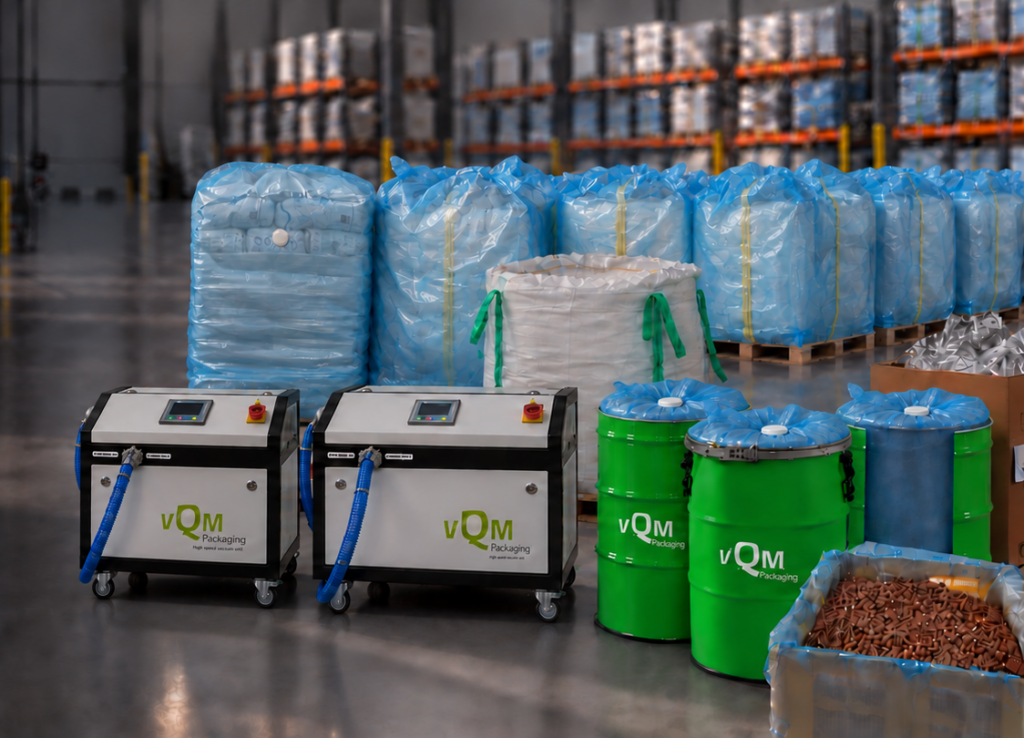
Insects depend on oxygen for respiration and development. By replacing the air inside hermetic big bags or high barrier liners with CO₂ and or N₂, vQm Modified Atmosphere Packaging creates and maintains conditions in which insects across all life stages can no longer survive.
The high-barrier packaging of vQm can ensure that the MAP conditions are maintained long enough to ensure full mortality, while it also protects the commodity against new external infestation.
The insect treatment method can be used for a wide range of commodities. However, the protocol must always be matched to the target insect, product conditions & duration, temperature and packaging configuration. Please verify with your national NPPO how treatment parameters are managed and how providers are legally authorized.
Scientific research has demonstrated that hermetic low-oxygen and vacuum treatments can achieve >99.99% mortality of insects without chemical fumigants.
Designed for efficient vacuum and gas flushing of full big bags and wrapped pallets.
A reliable seal is essential for maintaining the modified atmosphere inside the packaging. The recommended sealer depends on the selected packaging option.
Designed to measure and verify MAP conditions. Measuring the O₂ and CO₂ concentrations supports quality assurance and confirms that the required MAP conditions have been achieved.
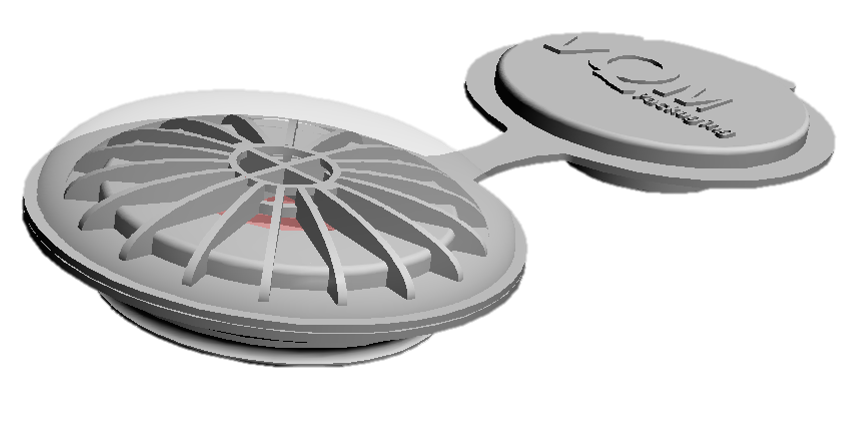
All packaging is designed with the vQm valve sealed inside (that enables efficient gas flushing through one secure connection point at amazing speed)
The recommended packaging varies per specific application type, the product can be treated in a lined big bag or as a complete pallet in original packaging load enclosed in a Wrapping Liner or Hood Liner.
This makes it possible to treat full semi-bulk units without opening and repacking every individual sack, carton or other primary package.
vQm works together with various service providers across the world.
Treatment time depends on gas concentration, product temperature, insect species and life stage. Please verify with your national NPPO how treatment parameters are to be managed.
In general, warmer and higher CO2/N2 conditions reduce the treatment time. When MAP is used primarily for food quality preservations, and not for phytosanitary purposes, the typical exposure time in the supply chain is much longer than when it is used specifically for insect treatment.
The process does not make use of any conventional pesticide fumigant making it suitable for organic and residue-sensitive supply chains.
After treatment, sealed high-barrier packaging provides a physical barrier against insects entering from the surrounding warehouse or transport environment.
This protection continues while the liner, seal and valve remain intact.
We use cookies to personalize content, provide social media features, and analyze our traffic. We also share information about your use of our site with our analytics partners. You can change your preferences at any time. For more information, please see our Privacy Policy and Cookie Policy.